
Our Work
Education & Learning: Cultivating Critical Thought and Cultural Knowledge
Our educational programming is structured to foster lifelong learning by connecting high-quality artistic instruction directly with comprehensive cultural and historical literacy, ensuring that students gain both technical skills and the contextual knowledge necessary to truly understand the art they create and appreciate. We offer sequential, scaffolded courses across visual arts, music theory, dance history, and creative writing, designed to build proficiency year over year, allowing a student who begins with introductory drawing to progress through advanced studio practices, all while engaging with the specific historical trajectory of African American artists in those fields. This methodology emphasizes critical thinking by asking students to analyze the social forces and historical moments that shaped particular artistic movements, such as the Great Migration’s impact on jazz or the Civil Rights movement’s influence on Black literature, thereby transforming passive learning into an active process of inquiry and intellectual engagement. We utilize a small class size model to ensure personalized attention, creating a supportive academic atmosphere where questions are encouraged, diverse perspectives are valued, and every student is challenged to achieve artistic and intellectual mastery.
Play & Exploration
The Joyful Path to Discovery and Identity
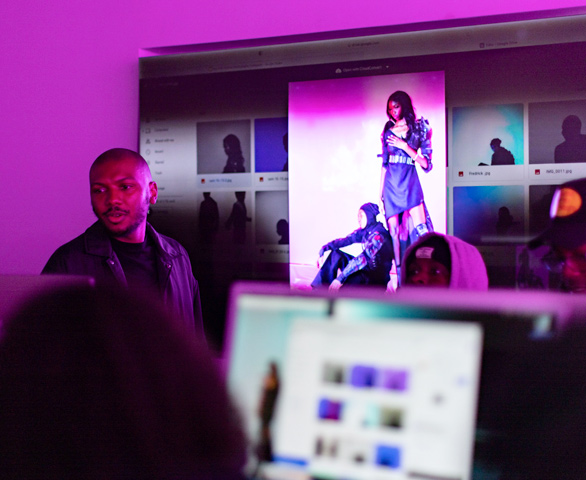
Fostering Unstructured Creativity and Safe, Expressive Discovery Recognizing that true mastery often begins with playful experimentation, the African American Arts and Culture Community Center provides numerous opportunities for unstructured creative play and guided artistic exploration, particularly for our youngest participants, establishing a foundation of joy and curiosity. Our dedicated studio spaces are designed to be safe, stimulating environments where children are encouraged to interact freely with various media—from building blocks that prompt architectural thinking to instruments that invite improvised musical dialogue—all under the watchful guidance of supportive, experienced mentors who facilitate rather than dictate the creative process. These exploration periods are vital for developing crucial non-cognitive skills such as problem-solving, resilience in the face of creative failure, and the ability to collaborate effectively with peers on a shared artistic goal, all of which are essential for success in later life. By emphasizing the process over the final product, we instill a lifelong love of learning and cultural engagement, ensuring that participants view the Center as a welcoming, judgment-free zone where they can authentically discover their passions and begin to shape their unique cultural identity through hands-on experience.
Social & Emotional Development
Building Confidence and Connection
Using Cultural Identity to Anchor Self-Esteem and Community Bonds A cornerstone of our work is the deliberate use of African American arts and history as a powerful tool for fostering significant social and emotional development among all participants, creating an environment where self-esteem and community connection are naturally nurtured. By studying and practicing art forms rooted in a history of resilience and communal strength, participants gain a profound sense of belonging and cultural affirmation, which serves as a protective factor against feelings of alienation and inadequacy, significantly boosting their confidence in academic and social settings. Our group activities, such as ensemble rehearsals, dramatic performance workshops, and shared storytelling circles, require high levels of collaboration, empathy, and active listening, teaching essential communication skills and conflict resolution within a culturally relevant context. Furthermore, the mentorship structure within our programs connects youth with accomplished adults who share their cultural background, providing crucial role models and demonstrating pathways to success, thereby ensuring that participants develop the emotional intelligence and self-assurance necessary to become strong, empathetic leaders within their families and the wider community.
Programs/Services
Tailored Cultural Education Across All Ages
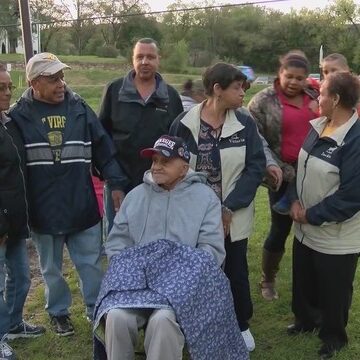
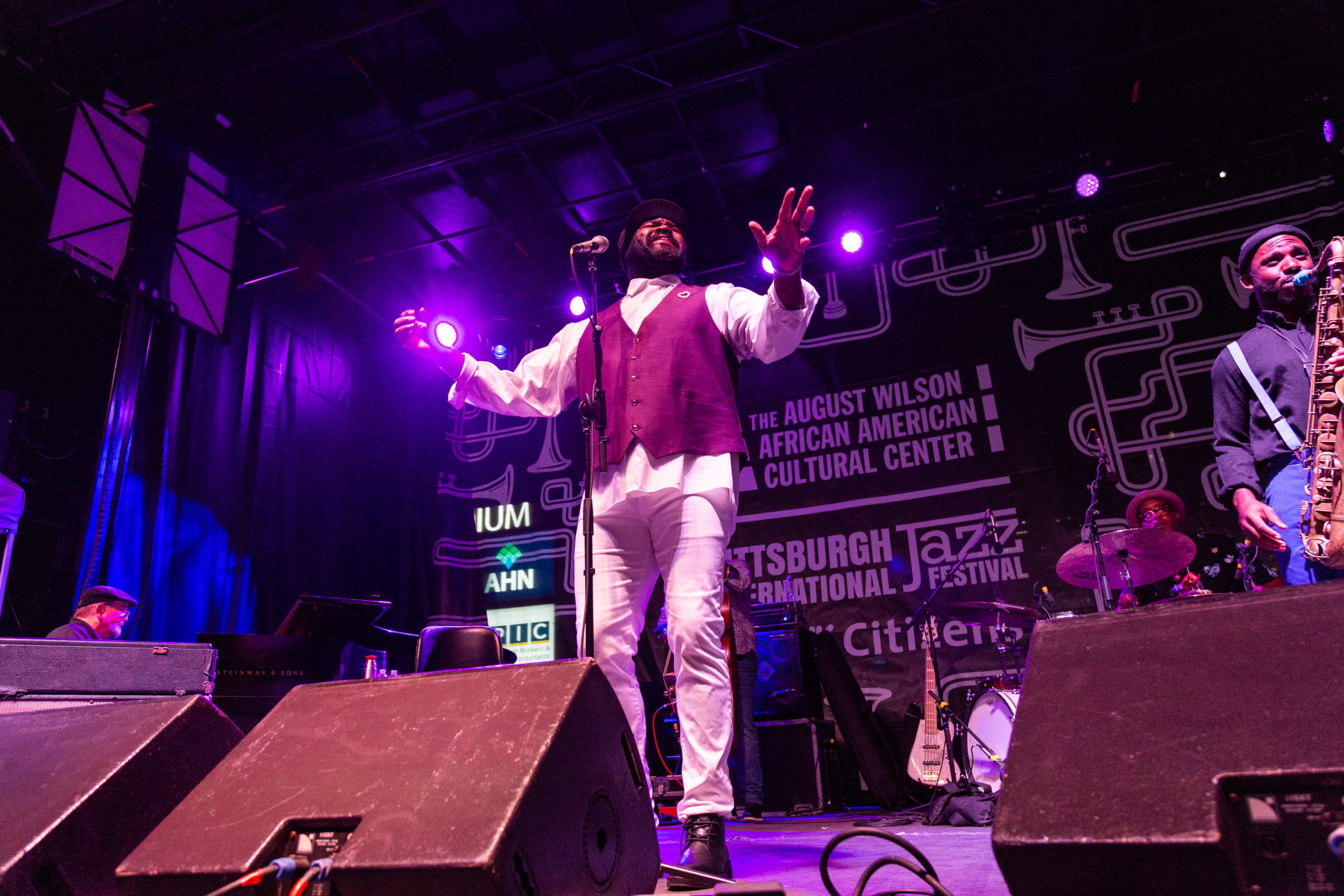
The African American Arts and Culture Community Center provides culturally rich and developmentally appropriate programming for a comprehensive range of age groups, ensuring that the legacy of African American arts and history is accessible to all members of the family, from the earliest stages of cognitive development through adulthood. Our “Future Voices” program is tailored for pre-K and early elementary students (ages 4-7), utilizing movement, rhythm, and simplified storytelling to introduce foundational concepts of culture and identity, making learning a joyful, sensory experience. The “Rising Artists” cohort (ages 8-12) introduces more structured technical skills in music, visual arts, and drama, combined with basic historical timeline studies, fostering a sense of mastery and discipline in a supportive setting. For teens (ages 13-17) in the “Legacy Leaders” program, we offer advanced, portfolio-building master classes and mentorship in specific disciplines like digital media and theatrical production, integrating social commentary and deeper historical research into their creative work to prepare them for higher education and career paths. Finally, our robust adult and senior programming includes archival research workshops, oral history preservation seminars, and community performance ensembles, fostering lifelong learning and intergenerational cultural exchange.
Community & Engagement
Building Bridges Between the Center and the Home
The African American Arts and Culture Community Center firmly believes that the family is the child’s first and most important teacher, and as such, deep and meaningful family involvement is a mandatory cornerstone of our engagement strategy and vital for participant success. We foster this connection through regular communication, including bi-monthly family newsletters detailing curriculum highlights and opportunities for engagement, alongside personalized progress reports that keep parents fully abreast of their child’s artistic and academic growth within our programs. Beyond communication, we actively invite family members to participate in various ways, hosting family heritage workshops where parents and children can learn and create together, encouraging them to attend all performances and exhibitions, and establishing a Parent Volunteer Network that provides essential support to our administrative and programmatic functions. This commitment to partnership ensures that the cultural and educational values promoted at the Center are reinforced in the home environment, creating a continuous, supportive learning ecosystem that leads to greater academic achievement and deeper familial bonds rooted in shared cultural appreciation.
Testimonials
Voices of Our Community
“Since enrolling my son in the music theory and history class at the AAACCC, I have seen a monumental shift in his focus and his self-esteem; he used to be hesitant to speak up in school, but now he confidently discusses the origins of jazz and African rhythmic structure with his peers and teachers. The instruction is incredibly professional, yet the environment feels like a loving extension of our family, and the way they integrate history into the lessons has made him feel profoundly connected to his heritage, something I struggled to do on my own. He isn’t just learning music; he is finding his voice, and that is absolutely priceless. This center is an indispensable resource for our family.” — Samantha R., Parent of a 10-Year-Old
“The impact of the AAACCC on my daughter has been remarkable, especially the confidence she gained after participating in the summer dramatic arts program where they focused on playwrights from the Black Arts Movement. The mentors don’t just teach acting; they engage the students in conversations about social context and storytelling, which has significantly enhanced her analytical skills and critical thinking. She has gone from being a quiet, reserved child to one who is comfortable commanding a stage and expressing complex emotions. Knowing she is being taught by artists who are also dedicated cultural historians gives me immense peace of mind that her education here is both high-quality and culturally grounded. I recommend this center to every family I know in the area.” — David K., Parent of a 16-Year-Old
“As a grandparent, I appreciate how the Center makes history accessible and relevant for my granddaughter, who is in the ‘Future Voices’ program. The way they use dance and storytelling to teach about historical figures is magical—she comes home excited to tell me about them, bridging our generational knowledge gap in a way I didn’t expect. I also attend the adult poetry workshops, which have given me a beautiful creative outlet and a strong connection with other elders in the community. The Center truly is multi-generational and the staff treat everyone with genuine warmth and deep respect. It’s a place where we can all connect with and contribute to our shared history.” — Elena M., Grandparent of a 6-Year-Old
“The historical and archival workshops here have been a true revelation for my two boys. Before coming to the AAACCC, they viewed history as a dry subject, but now they are actively volunteering to help organize local oral history collections, learning how to interview elders and archive documents with professionalism and care. They are learning transferable skills in research and critical literacy while developing a profound respect for their community’s past—it’s an incredible synergy of academic rigor and cultural pride. The staff’s dedication to teaching both preservation techniques and the importance of primary source materials is top-tier, and the boys are absolutely thriving in this environment.” — Charles W., Parent of 12-Year-Old and 14-Year-Old